PHOTO: © Radu Darvas
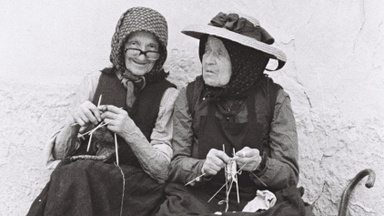
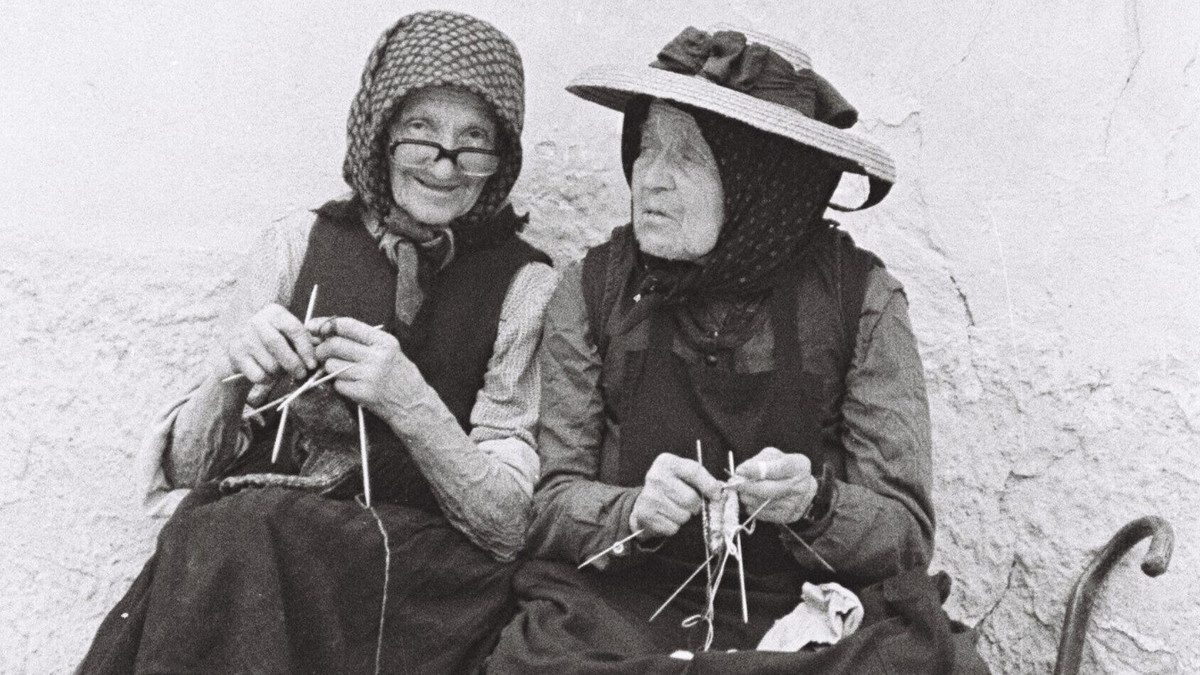
Ausstellungseröffnung in Anwesenheit der Kuratorin Mira Darvas: »Radu Darvas. Fotografien aus Siebenbürgen«

In the organizer's words:
Exhibition dates: September 9 through November 13, 2026
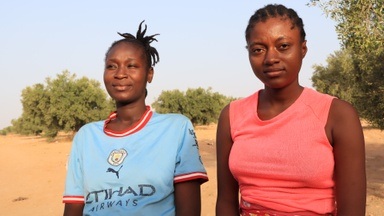
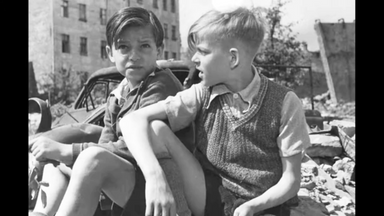
Radu Darvas (born in Romania in 1973, died in Dresden in 2015) grew up in Romania during the Ceaușescu regime. He studied at the Academy of Fine Arts in Bucharest and often spent time in Transylvania for family reasons. In the mid-1990s, he moved to Dresden to continue his studies at the Academy of Fine Arts. The photographs on display in the exhibition were taken in Viscri/Deutsch-Weißkirch, an area that is now heavily influenced by tourism. At the time of the political transition and in the years that followed, it was primarily the older generation of Transylvanian Saxons who remained in the villages. With a sensitive eye, the artist captured the special moments and encounters in these people’s everyday lives with his camera. In a house run by the Initiative Rumänien e. V., where association members, travelers, and visitors from Bucharest stayed overnight, gathered in the kitchen, and listened to music together, he came into contact with many young people, particularly from East Germany and from Protestant church congregations throughout Germany, who were interested in the culture, landscape, and people of Transylvania. During the day, they helped the villagers in the fields, around the house, and in the yard, and ran errands for the association and the villagers. Everyone listened intently to their stories. Radu was always there with his camera, capturing moments that, from today’s perspective, seem a hundred years away. Radu Darvas still developed the early black-and-white photographs from Transylvania by hand in the bathroom of his prefab apartment in Bucharest. After his untimely death in 2015, several hundred negatives and dozens of analog black-and-white photographs—particularly from Transylvania and Romania, dating from the late 1980s and early 1990s—remained in his family’s estate. Viscri is now a UNESCO World Heritage Site. Emigration and tourism development have brought about significant changes in the village. However, interest in Transylvania—especially among the younger generation—has not waned.
The accompanying events, including a storytelling café and a reading, promote the region and the culture of the Transylvanian Saxons.
The curator of the exhibition “Radu Darvas: Photographs from Transylvania” in Düsseldorf isMira Darvas, Radu’s daughter. She is a trained wood sculptor and is currently pursuing a graduate program in museum studies at the University of Leipzig. She grew up in Dresden, has close ties to the history of Transylvania, and returns time and again to her family’s roots. A few years ago, she lived and worked for a time in Transylvania as a castle caretaker for the association “Europäisches Jugendbegegnungszentrum Kirchenburg Holzmengen e.V.”
A joint event organized by the Gerhart-Hauptmann-Haus Foundation and the North Rhine-Westphalia Regional Group of the Transylvanian Saxons
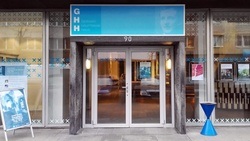
Location
Accessibility information
We don't have any accessibility information for this event.
You can find everything about accessibility at Rausgegangen here.
You might enjoy this as well?







Noch mehr Events dieser Location-Page