VIDEO: © Ensemble Almanach PHOTO: © Ensemble Almanach
Wien, Weib und Gesang
In the organizer's words:
A concert evening blending the exhilaration of the waltz, art songs, and expressive modernism.
Vienna, Women, and Song tells the story of Vienna as a place of musical longing: from the romantic introspection of Franz Schubert, through the dazzling waltz frenzy of Johann Strauss, to the dark, tormented soundscape of Alban Berg on the threshold of
modernism. Between cheerfulness and the abyss, dance and loneliness, beauty and decay, a musical panorama unfolds of the city where the art song was born and, at the same time, reinvented itself. The concert transports the audience into an atmosphere that is both seductive and unsettling—a Vienna in twilight, caught between splendor and decline.
The starting point for this program is Alban Berg’s enchanting “Jugendlieder,” which form the thematic and sonic core of the evening. The Ensemble Almanach pairs these works with songs by Franz Schubert—the Viennese forefather of the art song, whose music continues to shape the emotional and poetic depth of this genre to this day. With songs such as *Erlkönig*, *Gretchen am Spinnrad*, and *Die Forelle*, the origins of the Romantic art song become audible—a tradition from which Berg’s musical language would later develop. Serving as a musical bridge between these two world-famous composers are two works by the Viennese “Waltz King,” Johann Strauss (the Son) serve as a musical bridge between these two world-famous composers. His music embodies the splendor, elegance, and dazzling surface of that city, where, beneath the cheerful façade, the fractures and abysses of the turn of the century were already beginning to emerge.Thus, the program spans a broad arc from the Romantic origins of the art song, through the waltz as a musical symbol of Vienna, to the expressive modernism of Alban Berg, who was a great admirer of Johann Strauss II and spectacularly arranged the waltz “Wein, Woman, and Song” for a salon-appropriate ensemble—and brings to life the evolution of a city, an era, and a musical language
.
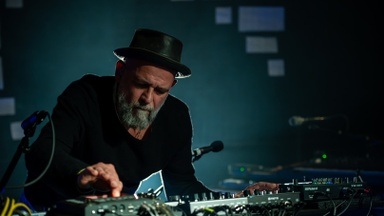
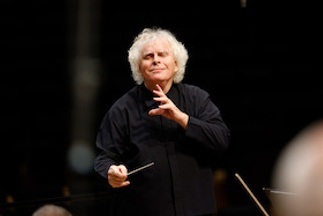
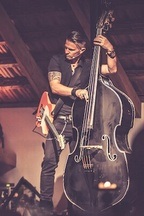
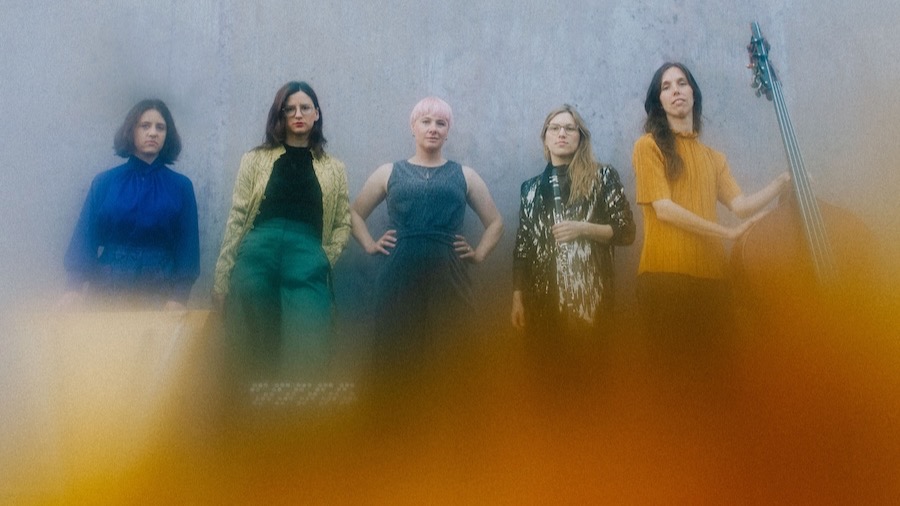
The Almanach Ensemble interprets these rarely performed works with an extraordinary instrumentation: the hammered dulcimer, accordion, double bass, and clarinet frame the voice with a soundscape that oscillates between shimmering delicacy and raw expressiveness. The songs, originally composed for piano, have been specially arranged for this ensemble by composer Patrick G. Braun, thereby taking on a new color—at times with the transparency of chamber music, at other times darkly glowing, with echoes of folk music, theater, and ballads. Berg’s familiar late-Romantic melancholy transforms into a fragile blend of intimacy, irony, and abysmal beauty.
Location